
Bluejack Oak/Quercus incana
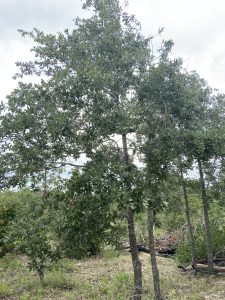
Photo from iNaturalist user Wendy A
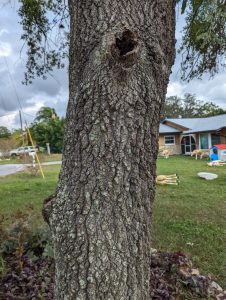
Photo from iNaturalist user Natalie
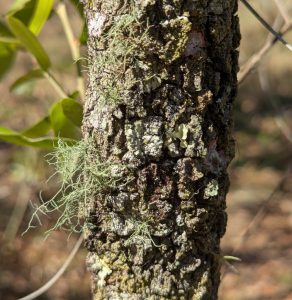
Photo from iNaturalist user Natalie
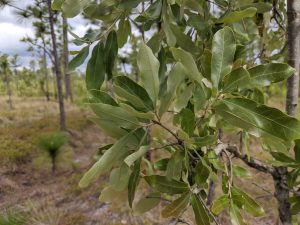
Photo from iNaturalist user Austin Pursley
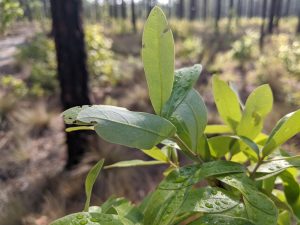
Photo from iNaturalist user Austin Pursley
Phonetic Spelling KWER-kus in-KAN-nuh Plant Type: Tree Plant Height: 15’-55’ Plant Spread: 25’-45’ Sunlight Preference: Full sun to light shade Soil Preference: Well-drained, sandy, or loamy soils that are slightly acidic. Does not tolerate water. Uses in Landscaping: Shade tree to replace live oaks, along roadsides in right of ways, accent tree in a partial shade garden. Grows smaller than other oaks so makes for a good shade tree on smaller sites. Ease of purchase/acquiring: Hard to acquire as most acorns require permits to collect off public lands. Very few people grow out these plants and usually are sold as liners. How and When to Plant: Plant when dormant preferably and then water for the first year until established, TreeGator bags can be useful when establishing single trees. Upkeep: Prune in dormancy only to remove dead or crossing wood, just like any other oak. This plant is prone to insect galls but are not harmful to trees, should inform clients of this. Charismatic/ID Features: Flowers/Fruits: Acorns are small and blackish brown. Leaves: Leaves are simple and alternate and have greyish white hairs on the underside of the leaf and top of leaves can be bluish to ashy green. Leaves contain little to no lobes. Leaves are deciduous. Bark: Bark is thick and chunky even at a small size and is grey to brown to black in color.