
Arrowwood/Viburnum dentatum
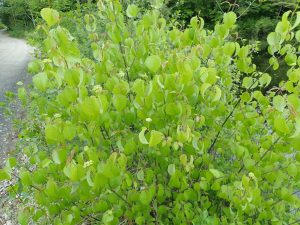
Photo from iNaturalist user Lynn Harper
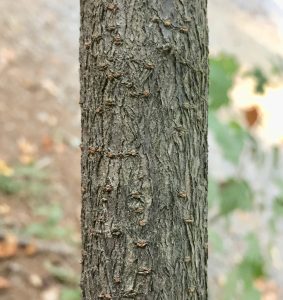
Photo from iNaturalist user Ken Kneidel
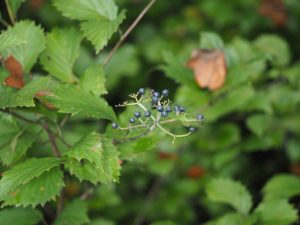
Photo from iNaturalist user mefisher
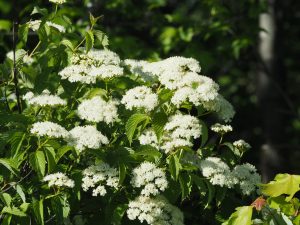
Photo from iNaturalist user mefisher
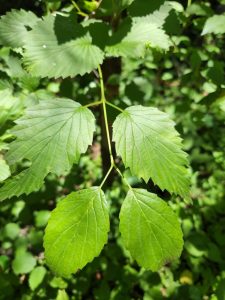
Photo from iNaturalist user Melinda Soltys
Phonetic Spelling vih-BUR-num den-TAY-tum Plant Type: Multistemmed shrub Plant Height: 6’-15’ Plant Spread: 6’-10’ Sunlight Preference: Full sun to shade Soil Preference: Acidic sandy loams, prefers moist to wet situations. Uses in Landscaping: Hedges, mass plantings, shrub borders, or as a large background shrub. Ease of purchase/acquiring: Relatively common but can be expensive compared to other nonnative viburnums. How and When to Plant: Plant when dormant and water for first year until established. Propagation: Can be grown from semi hardwood cuttings. Upkeep: Prune in winter to shape if getting too large. Routing watering and a layer of mulch not too close to the trunk is also good. Charismatic/ID Features: Flowers/Fruits: Flowers are white and form in large flat clusters at ends of branches. Flowers develop into shiny blueish purple fruits.The flowers and fruit are great for wildlife like birds and pollinators. Leaves: Leaves are opposite, simple, lack a smell when crushed and sniffed, and have coarse serrations along the edge of the leaf. Veins of the leaf are sunken into the leaf and have straight lateral veins on underside. Leaves are deciduous. Twigs/shoots: Twigs and suckers can be long and straight especially if new growth or sucker from the base of the plant.